Skip to content

Neuro-Optometry and Binocular Vision Dysfunction

Neuro-optometry and binocular vision dysfunction occur when the brain and eyes cannot communicate properly. This can affect how vision is processed, leading to a range of symptoms that impact daily life.

At A B See Optometry and Vision Therapy, we assess and manage patients with neurological vision impairment, using specialised testing and treatment to improve visual function and comfort.
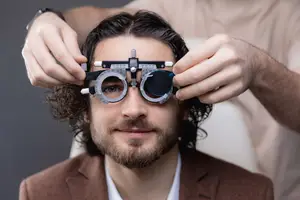

Man getting his eyes examined by a doctor with a phoropter
A woman with curly hair squinting at her phone and adjusting her glasses

How the Brain and Eyes Work Together

Vision is more than what the eyes see. Almost half of the brain is involved in visual processing. Conditions that affect the brain or nervous system can interfere with the brain–eye connection, leading to changes in vision.

Common neurological causes include:

  • Concussions or traumatic brain injuries
  • Stroke
  • Multiple sclerosis
  • Parkinson's disease
  • Migraines
  • Developmental or learning-related vision disorders

Neurological Disorders That Can Affect Vision At All Ages

Many neurological conditions can lead to vision changes. Common examples include:

  • Concussion and traumatic brain injury (TBI) – problems with focus, balance, and double vision
  • Stroke – partial vision loss, eye movement problems
  • Multiple sclerosis (MS) – blurred vision, double vision, or visual field loss
  • Parkinson's disease – difficulty with eye movement control and focus
  • Migraine disorders – temporary blurred or distorted vision
  • Autism spectrum disorder – visual processing differences that affect reading and tracking
  • ADHD and learning differences – reduced focus, difficulty with sustained visual tasks
  • Dyslexia – vision tracking or coordination issues that may compound reading difficulties
Two smiling women posing for a photo, one with glasses and a white scarf, the other with red nail polish.

Why Binocular Vision Dysfunction is Often Missed

Neurological vision problems may not always show up in a standard eye exam. This is because:

  • Visual acuity (reading an eye chart) can appear normal, even when there are coordination or processing problems
  • Symptoms may be mistaken for attention issues, fatigue, or unrelated health concerns
  • Some children and adults adapt to symptoms, making them harder to detect without specialised testing

A neuro-visual assessment is important for anyone with a neurological condition or persistent symptoms.

A man and a woman are smiling and looking at a young girl using a microscope in an eye clinic.
A close up of a man's face with an eye exam machine
A young boy with curly hair, wearing a plaid shirt, is sitting at a desk with his hands on his head, looking at a book and seems to be studying.

Neuro-Optometry and Binocular Vision Dysfunction Symptoms

Neuro-optometry and binocular vision dysfunction can affect people of all ages. Symptoms may appear suddenly or develop gradually.

Common symptoms in adults

  • Blurred or double vision
  • Eye floaters or flashes of light
  • Loss of part of the visual field
  • Headaches linked to visual strain
  • Light sensitivity
  • Dizziness, vertigo, or reduced balance
  • Difficulty tracking moving objects
  • Problems judging distance

Common symptoms in children and students

  • Skipping words or lines when reading
  • Losing place on the page
  • Frequent headaches or eye strain after near work
  • Tilting the head or closing one eye to see better
  • Avoiding reading or schoolwork
  • Difficulty copying from the board

Eye Exams for Neurological Disorders in Kelowna, British Columbia

Standard vision tests do not always detect neurological vision problems. A comprehensive neuro-visual assessment may include:

  • Eye coordination testing – how well the eyes work together
  • Eye movement tests – tracking and saccadic function
  • Visual field testing – checking for areas of missing vision
  • Visual processing evaluation – how quickly and accurately the brain interprets visual information

These tests help identify the specific type of neurological vision impairment and guide treatment.

A woman holding her head in pain with her eyes closed and a red light illuminating her brain

Treatment for Neurological Vision Impairment at A B See Optometry and Vision Therapy

Treatment depends on the cause and severity of the condition. Options may include:

  • Vision therapy to improve eye coordination, tracking, and processing
  • Specialised glasses or lenses to correct alignment or clarity
  • Prism lenses to adjust visual perception
  • Visual rehabilitation exercises to retrain brain–eye communication

Treatment plans are tailored to each patient and may be coordinated with other healthcare professionals.

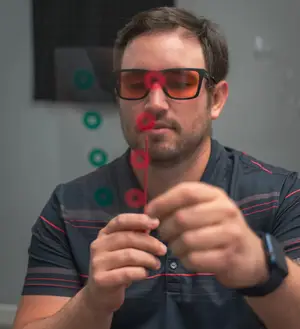
A man wearing sunglasses is looking at something with his hand on his chin.

How Vision Therapy Helps Neurological and Learning Conditions

Vision therapy is a personalised program of eye exercises and visual activities designed to improve how the eyes and brain work together. It can:

  • Improve reading speed and comfort
  • Reduce double vision and eye strain
  • Support better balance and coordination
  • Enhance focus and concentration for school or work
  • Improve confidence in daily activities

Progress is monitored closely, and therapy is adapted as vision improves.

Neurological vision symptoms can also impact learning. Children with undiagnosed vision problems may experience reading difficulties, reduced focus, and classroom fatigue. Early assessment and targeted therapy can make a significant difference in school performance and confidence.

Schedule a Consultation at A B See Optometry and Vision Therapy

Patients with neurological conditions or unexplained vision changes should schedule a neuro-visual assessment. Identifying and managing neuro-optometry and binocular vision dysfunction early can improve daily function, comfort, and quality of life.

What We Do

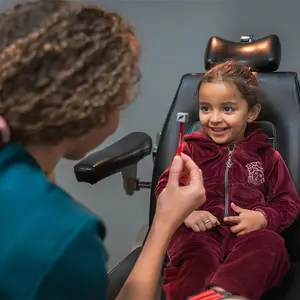
A girl with a tooth stick and a woman wearing blue is in a dental chair
We're here to help your little one protect their sight for years to come. Look out for your kid's life-long vision with early eye care.
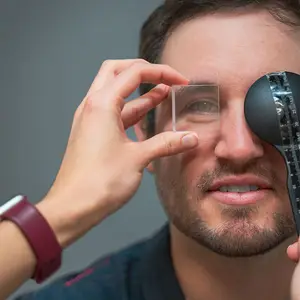
A man is holding a transparent rectangular object close to his eye while wearing a black eyeglass and a red wristwatch.
When the brain experiences trauma, visual processing may be disrupted. Specialized Vision Therapy treatment can help with your recovery.
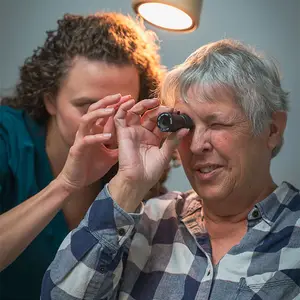
A woman with glasses having her eye examined by a medical professional
Daily tasks can be difficult for a person with low vision. With a low vision assessment and functional solutions you can still live your best life.
A man wearing a black shirt is playing a musical instrument with a stick in his hand in a classroom.
Vision therapy uses evidence-based solutions and personalized care to improve visual function. Find out if your child's vision is working as it should.